Pravi celer is becoming one of the most searched heritage food terms of 2026 as chefs, nutritionists, gardeners, and wellness communities rediscover the power of “true celery.” Translating to “real celery” in many Balkan and Slavic languages, praviceler refers to the complete celery plant — including the stalks, leaves, root (celeriac), and seeds — rather than the trimmed supermarket celery sticks most people know today.
Known scientifically as Apium graveolens var. rapaceum, pravi celer delivers a deeper flavor, stronger nutritional profile, and centuries of culinary heritage. From Eastern European soups to modern low-carb purées, this humble vegetable is making a major comeback in 2026 food culture.
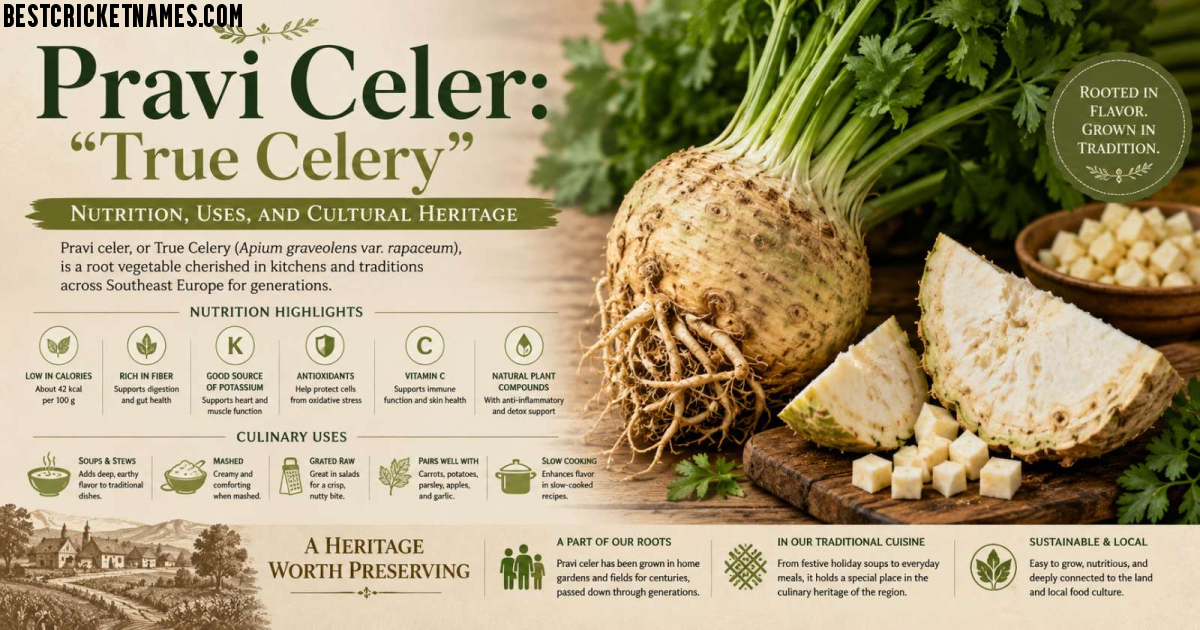
What Is Pravi Celer? Understanding the “True Celery”
What Is Pravi Celer? Understanding the “True Celery”
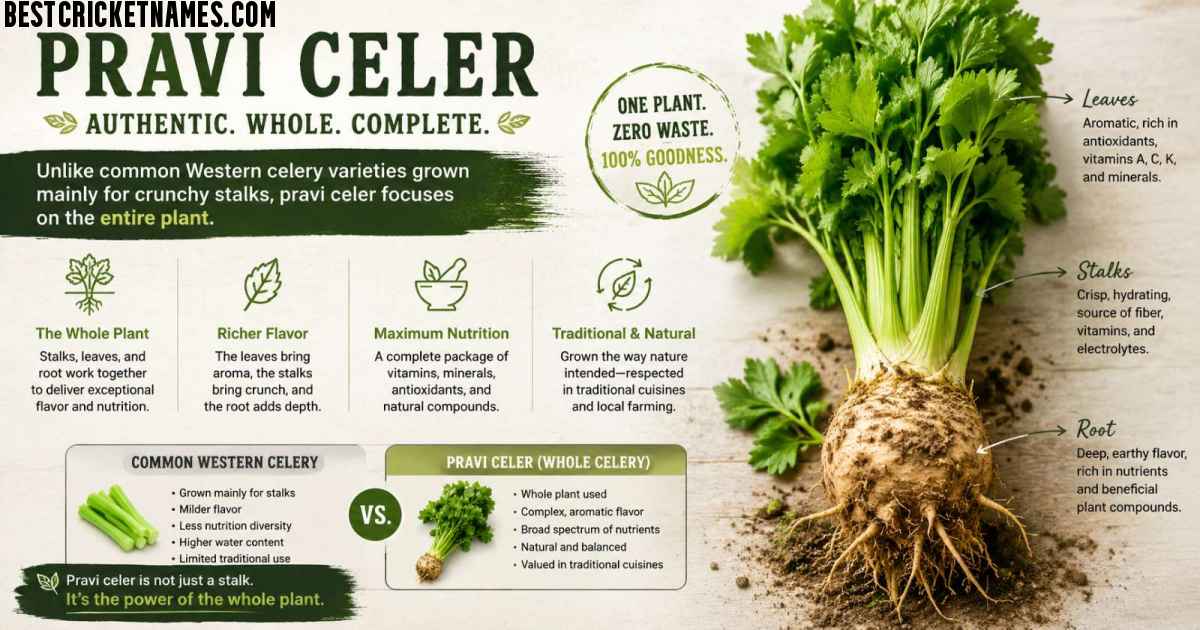
At its core, pravi celer means authentic or whole celery. Unlike common Western celery varieties grown mainly for crunchy stalks, pravi celer focuses on the entire plant, especially the enlarged edible root known as celeriac.
Botanically, it belongs to the Apiaceae family, which also includes:
Carrots
Parsley
Dill
Fennel
The defining feature of praviceler is its swollen stem base or hypocotyl, which develops into the bulbous celeriac root. This root delivers a rich, earthy flavor that many chefs describe as a blend of:
Celery
Hazelnut
Parsnip
Mild parsley
Savory umami
In Balkan households, praviceler has long been considered a winter survival vegetable because it stores well for months and provides valuable nutrients during colder seasons. Long before wellness trends made celery juice famous, Eastern European kitchens were already using celery root, leaves, and seeds for cooking and traditional remedies.
Pravi Celer vs. Regular Celery: The Biggest Differences
Pravi Celer
The difference between pravi celer and standard supermarket celery is about much more than appearance. It reflects two completely different approaches to food.
Regular Celery (Var. dulce)
Grown mainly for crisp green stalks
Popular in salads and low-calorie snacks
Mild flavor
Usually sold trimmed and cleaned
Pravi Celer (Var. rapaceum)
Uses the whole plant
Focuses heavily on the root and leaves
Stronger herbal and earthy taste
Valued for nutrition and medicinal traditions
In many Balkan and Slavic cultures, wasting any part of the plant was considered unnecessary. The leaves were added to soups, the stalks flavored broths, the seeds seasoned dishes, and the root became the centerpiece of winter cooking.
This “whole-plant” philosophy is one reason praviceler fits perfectly into 2026’s growing focus on:
Sustainable eating
Zero-waste cooking
Heritage vegetables
Seasonal nutrition
Nutritional Benefits of Pravi Celer in 2026
One major reason pravi celer is trending globally is its impressive nutritional profile. Because it incorporates the leaves, root, and seeds, it provides more diversity than stalk celery alone.
Key Nutrients Found in Pravi Celer
Nutrient
Benefit
Vitamin A
Supports vision and skin health
Vitamin C
Boosts immunity
Vitamin K
Helps bone strength and blood clotting
Fiber
Aids digestion and fullness
Potassium
Supports heart health
Antioxidants
Helps reduce oxidative stress
The celeriac root also provides a surprisingly rich savory flavor with relatively low calories, making it popular in modern low-carb diets.
Nutritionists in 2026 often recommend praviceler for people seeking:
Better digestion
Hydration support
Reduced sodium cooking
Plant-based umami flavor
Whole-food nutrition
Unlike trendy celery juice cleanses that remove fiber, praviceler encourages using the entire plant naturally.
How to Cook Pravi Celer Like a Traditional Balkan Kitchen
One reason chefs love pravi celer is its versatility. Every part of the plant contributes something unique to cooking.
Traditional Culinary Uses
Soups and Broths
Pravi celer is a foundational ingredient in Balkan and Central European soups. The stalks and root provide depth, while leaves add freshness near the end of cooking.
Celeriac Purée
Roasted celeriac blended with butter, cream, and nutmeg creates a silky alternative to mashed potatoes.
Raw Salads
Shaved celeriac paired with apples, walnuts, mustard, and lemon forms a crunchy, earthy salad known in French cuisine as remoulade.
Herbal Garnish
The leaves are intensely aromatic and often sprinkled over:
Eggs
Sauces
Stews
Rice dishes
Roasted Vegetable Dishes
Modern restaurants now roast thick celeriac slices like steaks because the vegetable develops a deep caramelized flavor when cooked slowly.
The flavor profile is what makes praviceler special. Instead of the watery crunch associated with ordinary celery, praviceler delivers:
Earthiness
Nutty richness
Herbal brightness
Savory umami depth
Many chefs call it the “bass note” of soups because it quietly strengthens every other flavor around it.
Pravi Celer in Folk Medicine and Wellness Culture
Pravi celer has been used in traditional medicine for centuries throughout the Balkans, Eastern Europe, and Mediterranean regions.
Traditional Health Uses
Folk Use
Traditional Purpose
Diuretic
Reduce water retention
Digestive Aid
Support gut health
Anti-inflammatory
Ease swelling and discomfort
Blood Pressure Support
Relax blood vessels
Modern research continues studying compounds found in celery, including:
Apigenin
Phthalides
Essential oils
Antioxidants
In 2026 wellness culture, praviceler fits perfectly into the trend toward whole-plant nutrition instead of heavily processed supplements.
Still, nutrition experts emphasize that while praviceler is healthy, it is not a replacement for medical treatment.
Growing and Buying Pravi Celer in 2026
Gardeners are also helping fuel the rise of pravi celer. The plant thrives in cool climates and nutrient-rich soil.
Growing Tips
Start celeriac seeds indoors early
Keep soil moist consistently
Use compost-rich beds
Harvest in late fall
Shopping Tips
When buying pravi celer, look for:
Firm stalks
Bright green leaves
Heavy roots
Minimal soft spots
Celeriac is especially popular at:
Eastern European grocery stores
Farmers markets
Organic produce shops
Because the root stores extremely well, praviceler remains a staple winter vegetable across many rural regions.
Cultural Heritage: Why Pravi Celer Means More Than Food
The word “pravi” means true, authentic, or genuine in Serbian, Croatian, and Bosnian. That cultural meaning explains why pravi celer carries emotional significance beyond nutrition.
In traditional Balkan households, true celery symbolized:
Honest home cooking
Seasonal eating
Family recipes
Respect for harvests
Zero food waste
For generations, soups built around praviceler were considered comfort food during long winters.
Now, global chefs are embracing the same ideas under modern labels like:
Farm-to-table
Sustainable cuisine
Root-to-stem cooking
Heritage vegetables
What Eastern Europe practiced for decades is now becoming a worldwide culinary movement.
Pravi Celer vs. Other “Celer” Terms in 2026
Many people searching “pravi celer” accidentally encounter unrelated terms. Here’s a quick comparison:
Term
Meaning
Industry
Pravi celer
True celery / celeriac
Food & nutrition
Celer
Latin for “fast”
Classical language
Celer Network (CELR)
Blockchain scaling project
Crypto
Thermococcus celer
Heat-loving microorganism
Microbiology
Celastrol research
Cancer-related compound studies
Pharma
If you are searching for cooking, nutrition, or Balkan cuisine, the correct term is Apium graveolens var. rapaceum.
Final Word on Pravi Celer in 2026
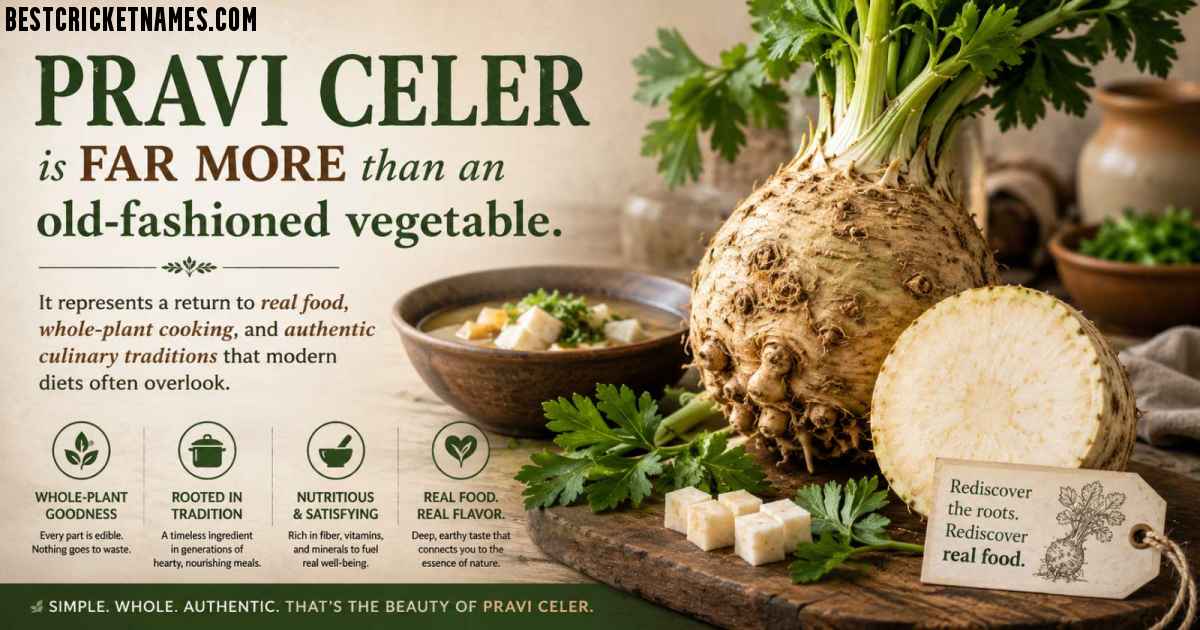
In 2026, pravi celer is far more than an old-fashioned vegetable. It represents a return to real food, whole-plant cooking, and authentic culinary traditions that modern diets often overlook.
From roasted celeriac purées to healing soups and aromatic leaves, every part of the plant contributes flavor and nutrition. Its rich umami profile, impressive health benefits, and deep cultural roots explain why chefs and nutritionists are embracing it worldwide.
Whether you are exploring Balkan cooking, searching for healthier winter vegetables, or simply tired of bland supermarket celery, praviceler offers something modern food culture desperately needs: depth, authenticity, and tradition.