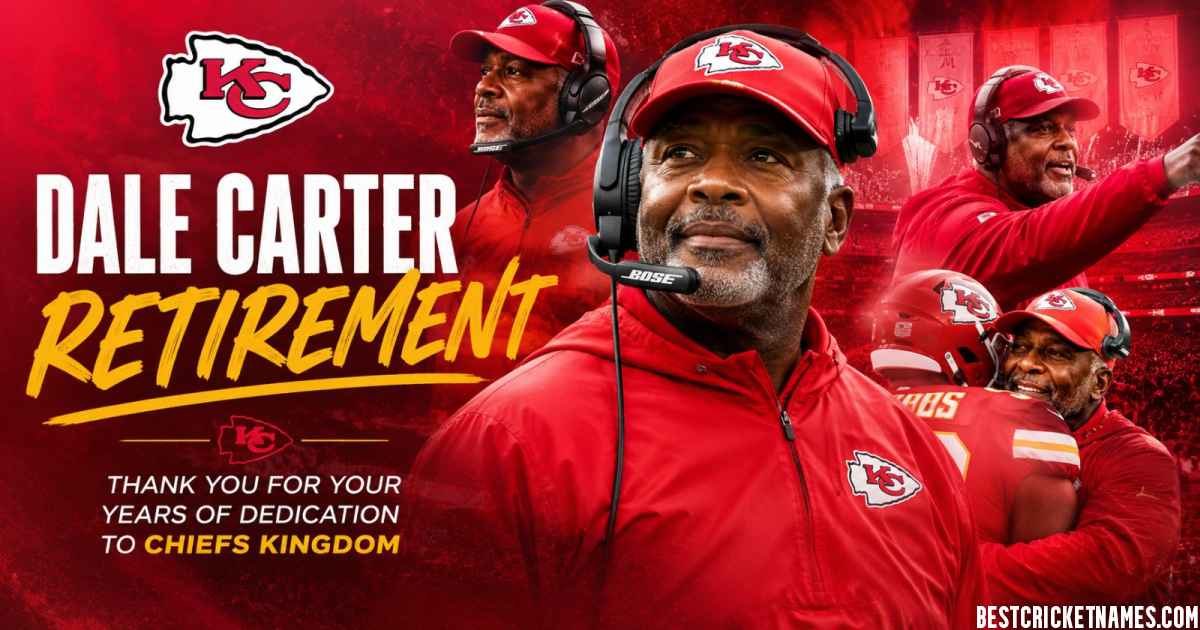

The Kansas City Chiefs Dale Carter retirement story became one of the biggest off-field developments surrounding the franchise in recent years. On September 11, 2025, longtime Arrowhead Stadium public address announcer Dale Carter announced his resignation, ending a memorable 16-plus-year run as the voice of Chiefs home games. Famous for his legendary “It’s. Third. Down.” call, Carter stepped away after disagreements over changes to his role, leaving many fans feeling that Arrowhead had lost part of its identity.
Who Is Dale Carter? The Voice of Arrowhead Stadium
For more than 16 years, Dale Carter served as the official PA announcer for the Kansas City Chiefs, becoming one of the most recognizable voices in the NFL.
Outside of football, Carter is a Country Radio Hall of Famer, serving as program director and morning host at KFKF 94.1 FM in Kansas City. He also works with Q104, hosts the “Dale Carter’s America” podcast, and announces local high school football games.
Dale Carter’s Chiefs Legacy
- PA announcer for over 16 seasons
- Called six AFC Championship Games at Arrowhead
- Witnessed the rise of the Chiefs dynasty under Patrick Mahomes
- Created the iconic “It’s. Third. Down.” announcement
- Helped establish Arrowhead’s reputation as one of the NFL’s loudest stadiums
Carter often referred to himself as an “Audio Propagandist,” using his voice and energy to help create a home-field advantage while staying within NFL rules.
The Real Reason Dale Carter Resigned
The Kansas City Chiefs Dale Carter retirement was not due to age or health concerns. Instead, Carter cited increasing changes to his responsibilities and growing frustration with creative limitations.
Key Events Leading to His Departure
- During the 2024 NFL Playoffs, Carter was asked to significantly alter his announcing style.
- On September 9, 2025, he received communication from 65 TPT Productions, reportedly conveying requests from senior leadership.
- The organization proposed having a secondary announcer perform the famous third-down call.
For Carter, that decision crossed what he described as his “red line.”
In his resignation statement, he explained that the role had changed substantially and was no longer as enjoyable as it had been throughout most of his tenure.
The Third Down Call Controversy
One of the biggest factors behind the resignation was the future of Carter’s signature third-down announcement.
Early in his career, the NFL reportedly warned him against excessive “cheerleading” from the public address booth. As a solution, Carter developed his distinctive pause-filled call:
“It’s. Third. Down.”
The phrase quickly became a staple of the Arrowhead experience and a fan favorite.
Why the Controversy Grew
- The call became part of Chiefs culture.
- Team leadership reportedly wanted to modernize or refresh game presentation.
- Discussions included transferring the third-down announcement to another announcer.
- Carter viewed the change as removing a key part of his identity at Arrowhead.
For many fans, the phrase was as recognizable as any stadium tradition in the NFL.
Dale Carter’s Official Retirement Statement
In a Facebook post announcing his resignation, Carter wrote:
“Today, I feel like an enormous weight has been lifted from me.”
He thanked the Chiefs organization, players, coaches, and fans for more than a decade of support while emphasizing that the role had become increasingly difficult due to changes in expectations.
Reasons He Cited
- Increased micromanagement
- Reduced creative freedom
- Less enjoyment in the role
- Time commitments affecting family life
- Growing responsibilities in radio and media
Despite his departure, Carter expressed continued respect for the Chiefs organization and stated that he would return to being a fan.
Fan Reaction: Arrowhead Will Never Sound the Same
The reaction to the Kansas City Chiefs Dale Carter retirement was immediate.
Many fans viewed Carter’s voice as a defining part of the franchise’s modern era, particularly during the team’s Super Bowl-winning years. Social media quickly filled with tributes celebrating his contributions to the Arrowhead atmosphere.
His departure just three days before the Chiefs’ 2025 home opener against the Philadelphia Eagles made the situation even more surprising and left the organization searching for a replacement on short notice.
What’s Next for Dale Carter in 2026?
Although no longer serving as the Chiefs’ stadium announcer, Carter remains active in several areas.
Projects and Plans for 2026
- Continuing as morning host at KFKF 94.1
- Ongoing work with Q104
- Hosting the Dale Carter’s America podcast
- Announcing Blue Springs high school football
- Preparing for a potential Jackson County Legislature campaign in 2026
- Spending more time with family
Carter has stated that his work with the Chiefs was never about financial compensation but rather his passion for the team and community.
Dale Carter the Announcer vs. Dale Carter the NFL Player
An important distinction often confuses fans.
The retiring announcer is not former Chiefs cornerback Dale Lavelle Carter, who played for Kansas City from 1992 to 1998, earned NFL Defensive Rookie of the Year honors, and was selected to four Pro Bowls before retiring after the 2005 season.
The Dale Carter retirement making headlines in 2026 refers exclusively to the longtime Arrowhead public address announcer.
Conclusion
The Kansas City Chiefs Dale Carter retirement marks the end of an unforgettable chapter in Arrowhead Stadium history. His resignation on September 11, 2025, stemmed from disagreements over creative control and changes to his iconic role, particularly surrounding the legendary “It’s. Third. Down.” call. As Carter focuses on radio, podcasting, public service, and family in 2026, Chiefs fans continue adjusting to a new game-day atmosphere. For many supporters, however, Dale Carter’s voice will always remain part of what made Arrowhead Stadium one of the most intimidating venues in professional sports.


