
Cricket is a game of skill, patience, strategy, and teamwork, but the strongest teams often share something less obvious: a clear sense of identity. Whether it is a school squad, a local club, a corporate team, or a weekend group of friends, players perform better when they feel connected to something bigger than themselves. A creative team name can help create that connection. It gives the group a personality, becomes part of its story, and can turn a collection of individual players into a recognizable unit.
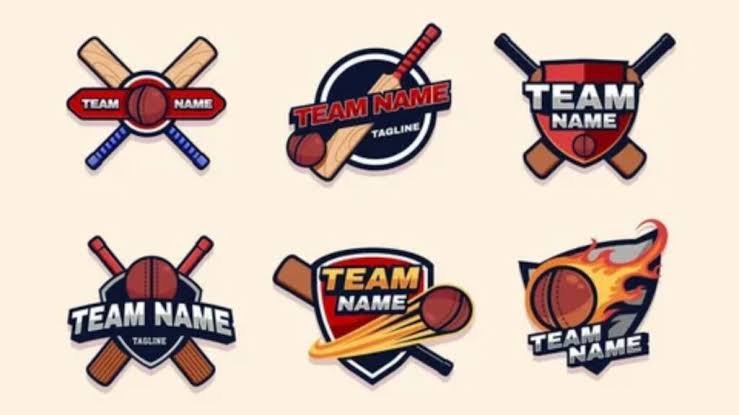
Once a name is chosen, teams often bring it to life through uniforms, social media graphics, match-day posters, and even banner design for tournaments or local events. Seeing the same name and visual identity repeatedly helps players feel that they belong to a real team rather than a temporary group assembled for a few matches. That sense of recognition can be surprisingly powerful, especially in amateur and community cricket where team culture plays a major role in keeping players motivated and involved.
A Team Name Creates a Shared Identity
At its most basic level, a cricket team name answers a simple question: who are we?
A group called “Team 4” may technically have an identity, but it does not say much about the players, their personality, or the way they want to be seen. A name such as “Boundary Hunters,” “The Swing Kings,” or “Pitch Predators,” on the other hand, immediately creates an image.
The name might reflect playing style, location, humor, ambition, or even an inside joke among teammates. What matters is that players recognize themselves in it.
This becomes particularly useful when a team includes people who do not know each other very well. In corporate tournaments, university competitions, and community leagues, players are often brought together from different departments, classes, or social circles. A memorable name gives them something shared from the beginning.
Instead of being ten or eleven separate individuals, they quickly become one side with a common label and reputation.
Creative Names Make Teams More Memorable
Cricket tournaments can involve dozens of teams, especially at the amateur level. A distinctive name helps one team stand out.
Imagine seeing a fixture list containing names such as “Group A,” “Office XI,” and “Department Team.” They are functional, but easy to forget. Now compare them with names like “Spin Doctors,” “Wicket Wizards,” or “Midnight Strikers.” Those names are much more likely to stay in someone’s memory.
That recognition matters beyond entertainment. A memorable identity can make it easier for organizers, spectators, sponsors, and opposing teams to remember a squad.
For teams that regularly compete in local leagues, a recognizable name can gradually become part of their reputation. People may begin associating the name with competitive matches, strong batting, entertaining personalities, or a particular style of cricket.
Over time, the name develops meaning because of the experiences attached to it.
Team Names Can Strengthen Morale
Team spirit is not created by a clever name alone. Players still need communication, trust, leadership, and mutual respect. However, a good name can support those qualities.
There is a psychological difference between saying, “We have a match tomorrow,” and saying, “The Thunder Strikers are playing tomorrow.”
The second version creates a stronger sense of group identity.
Players may use the name in team chats, social media posts, celebrations, or pre-match talks. It becomes part of the team’s language. Small rituals can form around it, including slogans, chants, nicknames, or match-day traditions.
These details may seem minor, but they reinforce belonging.
This is especially valuable after a difficult loss. Teams with a strong culture are often better at treating setbacks as shared experiences rather than blaming individuals. A clear identity reminds players that one poor performance does not define the whole group.
The Best Names Reflect the Team’s Personality
There is no single formula for creating the perfect cricket team name. The strongest choice usually depends on the people involved.
A serious competitive side may prefer something bold and intimidating, such as “Strike Force XI” or “Wicket Warriors.” A casual weekend team may be happier with humor, wordplay, or cricket-related jokes.
Location can also provide inspiration. Teams often use neighborhood names, landmarks, local history, or regional characteristics to create something more personal.
For example, a coastal team might use words connected with storms or waves, while a mountain-town side might choose imagery related to peaks, altitude, or strength.
Playing style offers another option. A team known for aggressive batting might use words such as “strikers,” “hitters,” or “chargers.” A bowling-heavy side could build its name around pace, swing, spin, or wickets.
The key is authenticity. A name becomes more meaningful when players understand why it represents them.
Involving Players Makes the Name Stronger
Choosing a team name can also become an early team-building exercise.
Instead of allowing one person to decide everything, ask players to suggest ideas. Create a shortlist and let everyone vote. Even a simple group-chat discussion can generate excitement before the first match begins.
One effective approach is to ask each player for two or three suggestions and then narrow the options based on a few criteria:
- Is the name easy to remember?
- Can people pronounce and spell it easily?
- Does it fit the personality of the team?
- Will players still like it next season?
- Does it look good on shirts, scoreboards, and online profiles?
It is also worth checking whether another major local team already uses the same name. A small amount of research can prevent confusion later.
Most importantly, the final choice should feel inclusive. When players participate in the decision, they are more likely to embrace the identity that comes with it.
Visual Identity Helps Complete the Picture
Once a team has a strong name, the next step is often creating a consistent visual identity.
This does not require a professional sports budget. Even amateur teams can choose two or three recognizable colors, a simple logo, matching shirts, and consistent graphics for social media.
Visual consistency makes the team feel more established.
Consider a local tournament where every squad arrives in random clothing except one team wearing coordinated shirts with a distinctive name and emblem. Before the first ball is even bowled, that team already looks organized.
Presentation cannot replace performance, but it can influence confidence.
Players often feel more committed when they put on something that represents their team. The shirt becomes connected with previous matches, victories, rivalries, and friendships.
That emotional attachment is one reason sports uniforms and symbols can become so meaningful over time.
Team Identity Can Extend Beyond the Pitch
A strong cricket identity does not disappear when the match ends.
Many amateur teams now maintain WhatsApp groups, Instagram pages, Facebook profiles, or small websites where they share fixtures, scores, photos, player statistics, and match highlights.
A creative name gives all of that content a recognizable home.
It can also strengthen relationships with supporters. Friends, colleagues, and family members may begin referring to the team by name and following its progress throughout a competition.
If the squad competes regularly, the identity can eventually create traditions. Perhaps one player becomes permanently associated with opening the batting, another earns a memorable nickname, and a particular rival fixture becomes the most anticipated game of the season.
Those stories gradually become part of what the team name represents.
Avoid Names That Will Age Poorly
Creativity is useful, but teams should think beyond the immediate joke.
A name that seems funny during one evening conversation may become embarrassing when printed on shirts or announced over a tournament microphone.
Avoid names that are offensive, overly complicated, difficult to pronounce, or dependent on a joke that only two players understand.
It is usually better to choose something simple enough to work in different settings.
Ask whether the team would feel comfortable using the name in front of employers, sponsors, families, or younger players. If the answer is uncertain, it is worth reconsidering.
The goal is to create an identity players can enjoy rather than one they will want to replace after a month.
Conclusion
A creative cricket team name may look like a small detail compared with batting orders, bowling strategies, and training sessions, but it can have a meaningful effect on team culture. The right name gives players a shared identity, makes the squad more memorable, and creates a foundation for traditions, visual branding, and lasting friendships.
The best names are not simply clever. They reflect the personality of the people wearing them.
When players choose a name they genuinely connect with, it becomes more than a label on a fixture list. It becomes a symbol of the matches they play, the moments they celebrate, and the experiences they build together as a team.
