
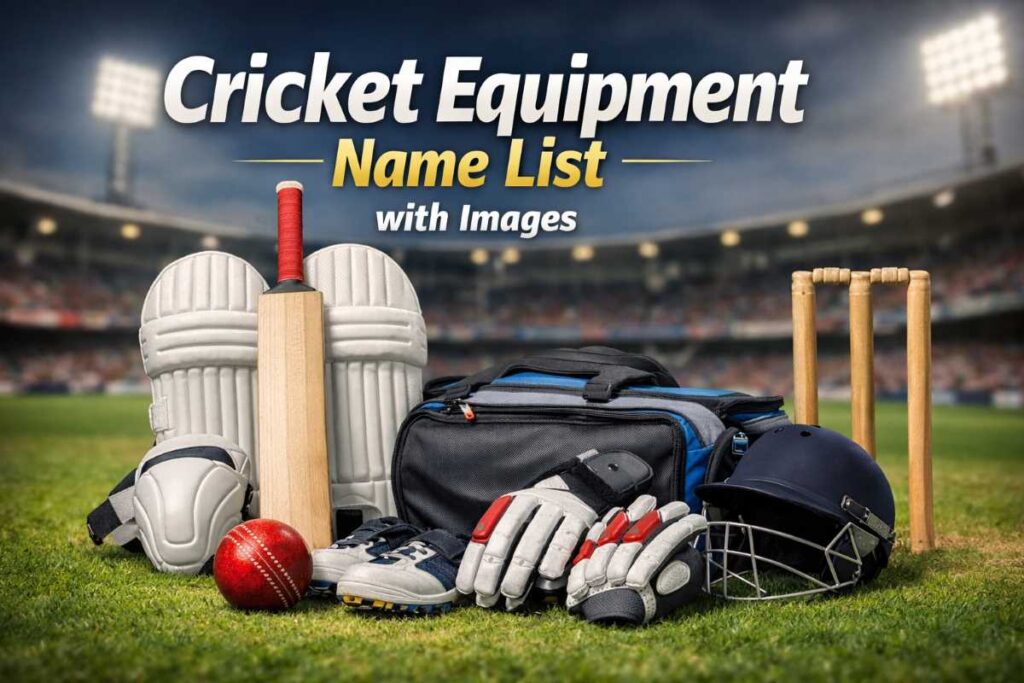
Whether you’re a beginner, a student, or just someone curious about cricket, knowing the cricket equipment name list with images is essential. Cricket isn’t just about hitting the ball; the right gear ensures safety, enhances performance, and helps you enjoy the game fully.
In this guide, I’ll break down all cricket equipment names, explain their uses, and give tips for selecting the best gear, especially for players in India.
Cricket Equipment Name List with Images in table
| No. | Equipment | Image | Purpose |
|---|---|---|---|
| 1 | Cricket Bat | 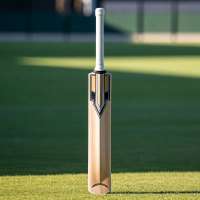 | Used by the batter to hit the ball. |
| 2 | Cricket Ball | 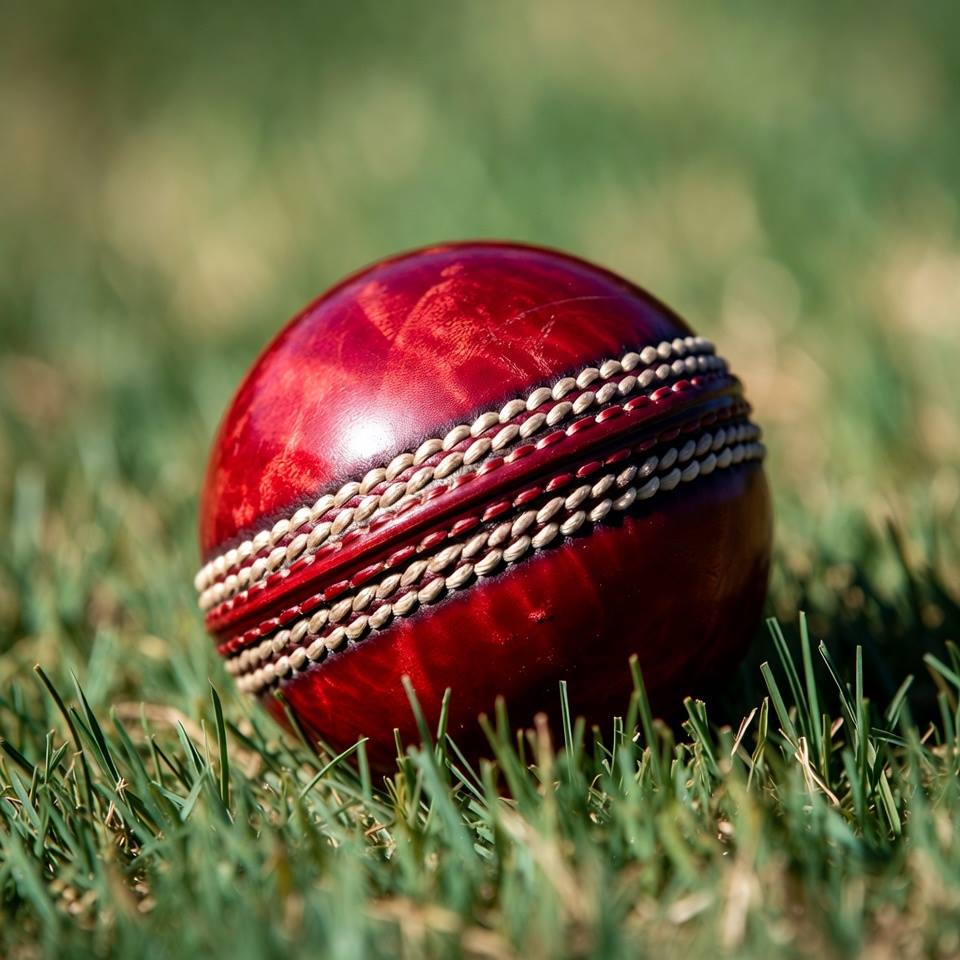 | The ball used by bowlers during the game. |
| 3 | Batting Gloves | 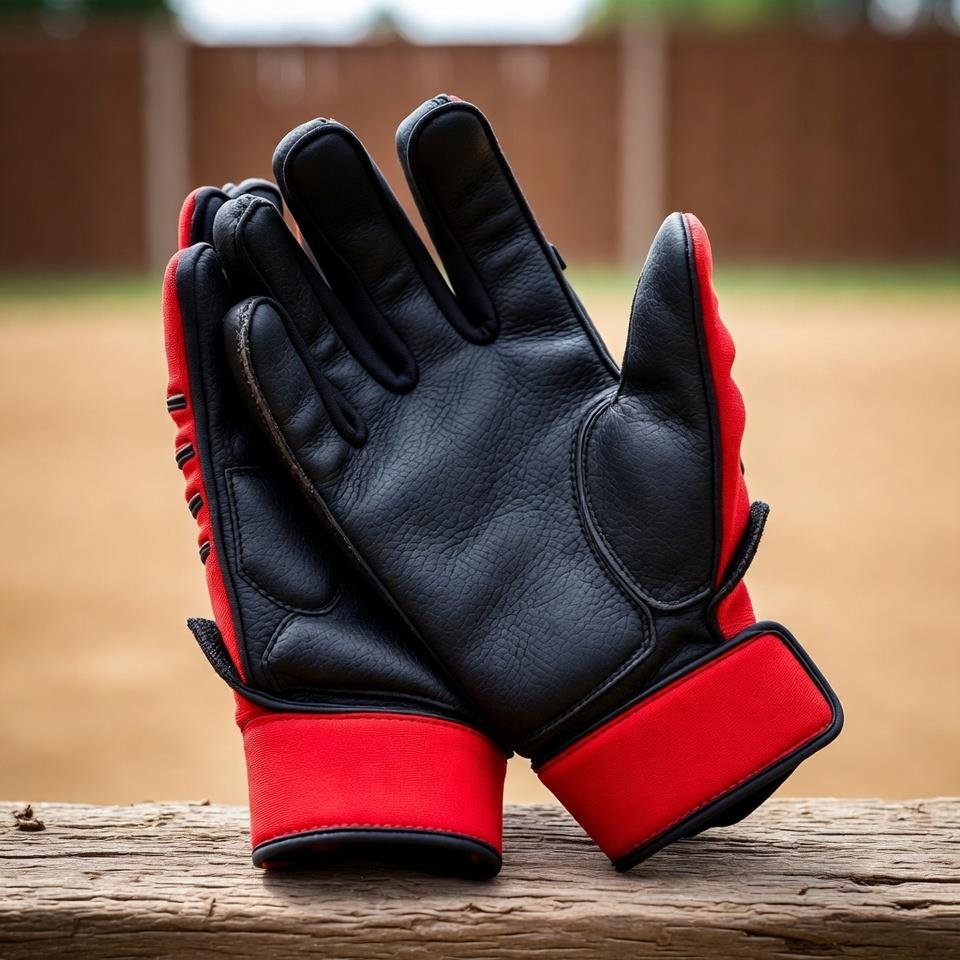 | Protect the batter’s hands. |
| 4 | Batting Pads | 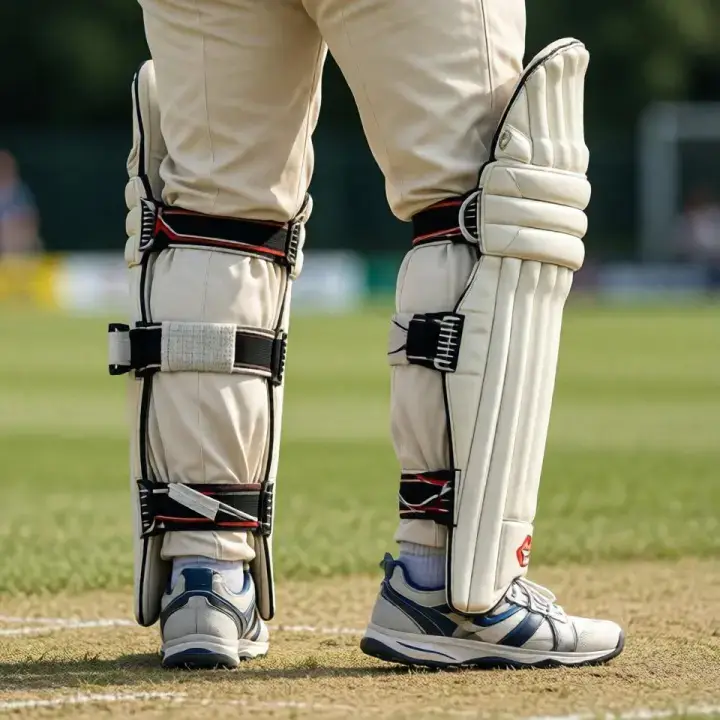 | Protect the legs from fast deliveries. |
| 5 | Cricket Helmet | 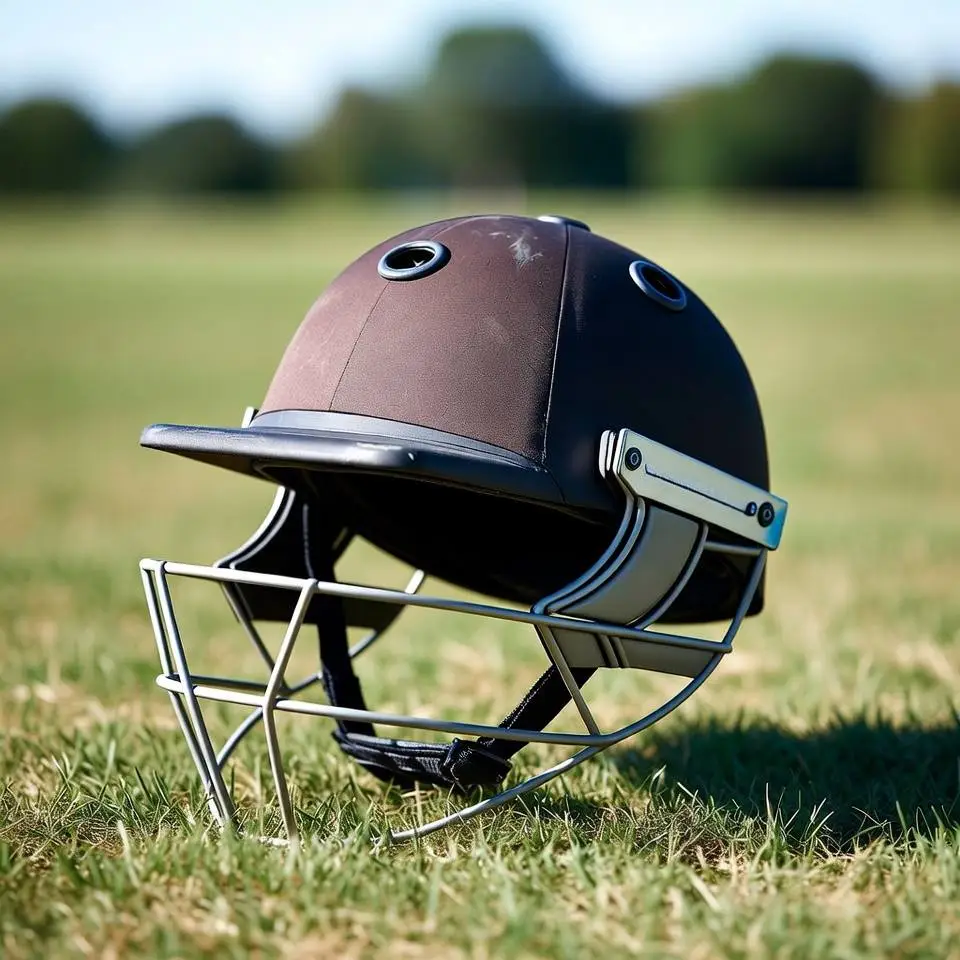 | Protects the head and face. |
| 6 | Abdominal Guard/Box | 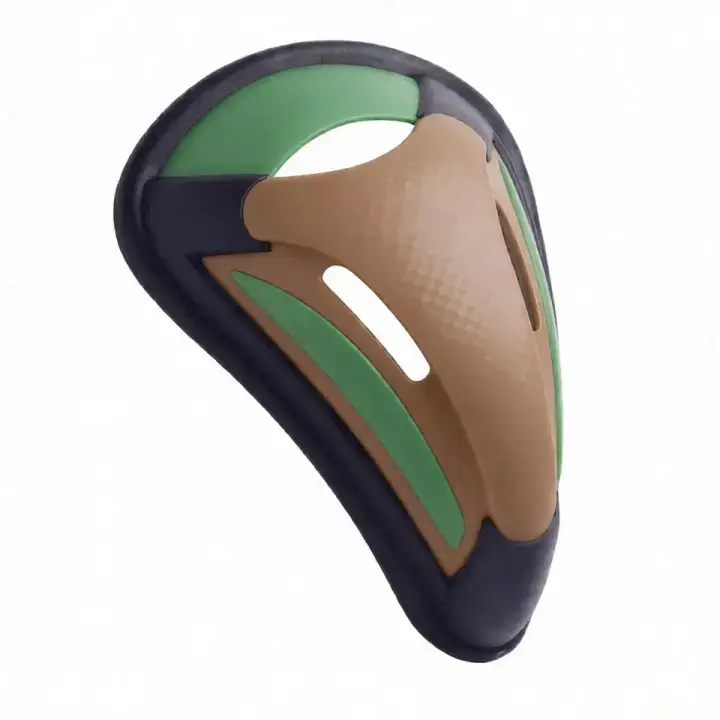 | Protects the groin area. |
| 8 | Arm Guard |  | Protects the forearm. |
| 12 | Cricket Stumps And Bails | 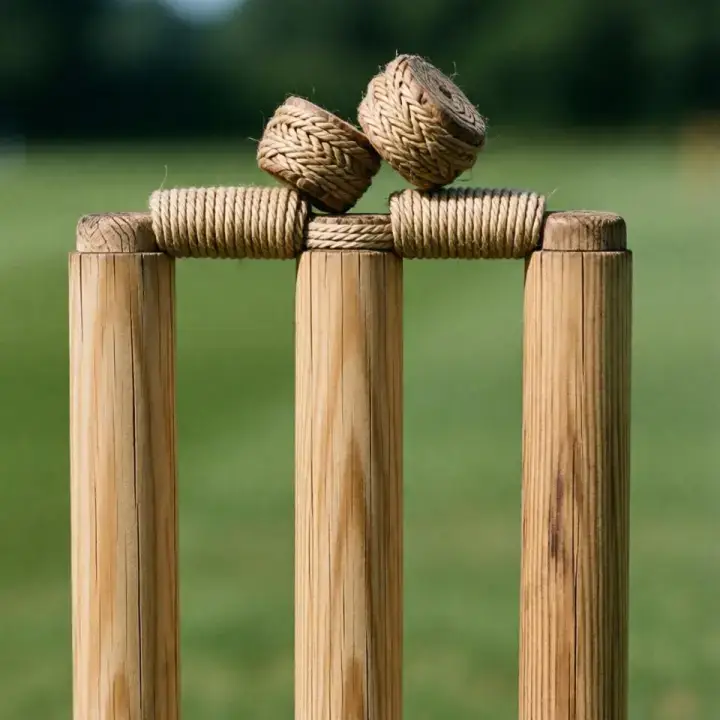 | Cricket Stumps are wooden sticks forming the wicket. Bails Placed on top of the stumps. |
| 13 | Cricket Shoes |  | Provide grip and support on the field. |
| 14 | Cricket Kit Bag | 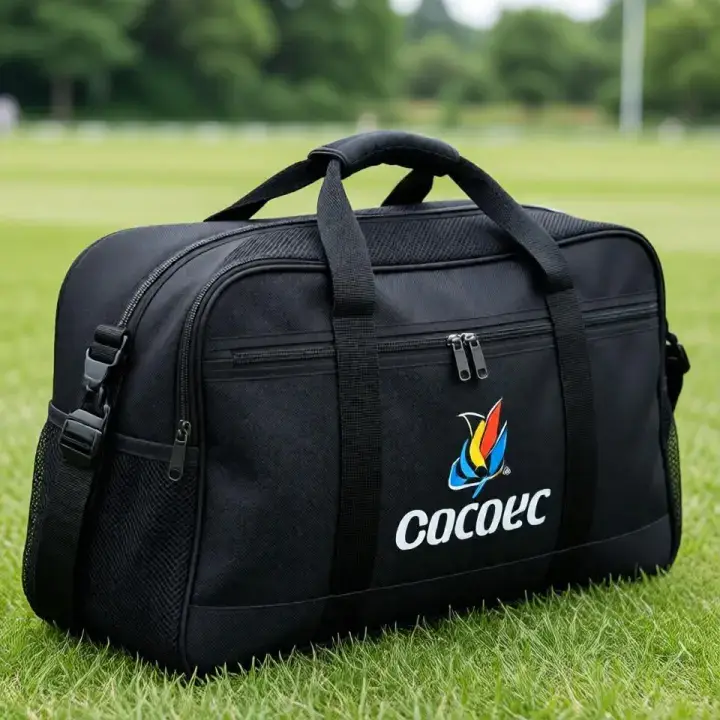 | Used to carry cricket equipment. |
Understanding the Cricket Kit: Your Cricket Tool Kit Explained
Cricket equipment comprises the tools and protective gear players use to play the game safely and effectively. In India, cricket is played at schools, local gully matches, academies, and at the professional level, but the core equipment remains the same.
A typical cricket kit includes items for batting, wicketkeeping, fielding, and training. Some items, like the bat or ball, are used for performance, while others, like helmets and pads, are essential for safety. A well-organized kit, often referred to as a cricket toolkit, ensures players have everything they need for practice or matches.
Key points:
- Safety is the primary purpose of protective gear.
- Performance equipment helps improve skills and gameplay.
- Proper organization prevents damage and simplifies transportation.
Also Check Out: Cricket Team Name Suggestions
Batting Equipment Names
Batting is one of the most critical aspects of cricket, and each piece of equipment plays a specific role. Here’s a detailed breakdown.
Cricket Bat
The cricket bat is the most important piece of batting equipment. Made from English willow or Kashmir willow, it converts the batter’s strength into power to hit the ball.
Key points for Indian players:
- English willow: Professional-level performance, more expensive.
- Kashmir willow: Ideal for beginners and schools; more affordable.
- Bat sizes: Vary by age and height.
Bat Size Chart:
| Age Group | Recommended Bat Size |
| Under 7 | Size 0–1 |
| 8–10 years | Size 2–3 |
| 11–13 years | Size 4–5 |
| 14+ / Adults | Full Size / Harrow |
Also Read: Jersey Name Ideas
Batting pads protect your legs from fastballs. In my experience coaching juniors, I’ve found that many beginners underestimate the importance of pads in preventing serious injury.
Tips:
- Straps should be secure but comfortable.
- Choose lightweight pads for agility if you’re starting out.
- Ensure the pads cover the knees completely.
Batting Gloves
Batting gloves protect the fingers and enhance grip. Gloves often have extra padding for impact protection. In India, brands vary from entry-level to professional, but comfort and flexibility should always come first.
Cricket Helmet
Helmets protect your head and face from fast bowlers. Even during practice, wearing a helmet is critical. Most academies in India now require helmets, and helmets are strongly recommended for street and gully cricket as well.
Tip: Look for helmets with an adjustable grill to ensure proper vision and protection.
Also Check Out: Tennis Cricket Team Names Ideas
Abdominal Guard / Box
An often-overlooked yet essential item, the abdominal guard (box) protects the groin. It is compulsory in matches and highly recommended for all male players.
Also Check Out: Cricket Group Names for WhatsApp
Wicketkeeping Equipment Names
Wicketkeepers have specialized gear to handle fast deliveries behind the stumps.
Wicketkeeping Pads
These are lighter and shorter than batting pads, allowing mobility. Comfort is critical since wicketkeepers spend long periods squatting or moving rapidly.
Wicketkeeping Gloves
Wicketkeeping gloves include webbing and additional padding to safely catch balls traveling at high speed. They are different from batting gloves, focusing on catching and protection rather than grip for hitting.
Pitch and Field Cricket Equipment
Fielding and match equipment define gameplay.
Cricket Ball
Cricket balls vary by color and use:
- Red ball: Test and longer formats.
- White ball: One-day matches.
- Pink ball: Day-night games.
In India, beginners often start with tennis balls or tape balls for casual play.
Stumps and Bails
Stumps and bails form the wicket. Wooden stumps are standard, but plastic ones are commonly used for practice. Proper alignment is key for gameplay rules.
Also Check Out: 400+ Desi Cricket Team Names to Inspire Your Team
Cricket Training Equipment
Training equipment helps players improve batting, bowling, and fielding skills.
Common items include:
- Bowling machines
- Side-arm throwers
- Practice nets
- Catching nets
- Rubber training balls
- Agility ladders
Training equipment accelerates skill development and is often used in Indian cricket academies.
Also Check Out: Cricket Club Names (Cool, Funny, Powerful & Unique Ideas)
How to Choose the Right Cricket Starter Kit
Choosing the right cricket kit depends on age, experience, and safety.
Cricket Kit for 12-Year-Old Boy
- Bat size should match height and strength.
- Focus on essential protective gear: pads, gloves, a helmet, and a box.
- Keep it simple for school and academy matches.
What to Look for in a Cricket Setup
- Comfortable fit and lightweight gear.
- Durable and affordable brands.
- Avoid overbuying unnecessary items at the beginner level.
Essential Items for a Cricket Kit Bag
A well-packed cricket kit bag ensures you have everything needed for practice or matches.
Essential items:
- Cricket Bat – Performance tool
- Batting Pads – Leg protection
- Helmet – Head protection
- Batting Gloves – Hand protection
- Wicketkeeping Gloves – Catching safety
- Thigh Guard / Box – Extra protection
- Cricket Shoes – Grip and comfort
- Cricket Bag – Storage and transport
- Cricket Clothing – Jerseys, pants, and caps
- Cricket Ball – Match-ready
Also Check Out: Village Cricket Team Names
Conclusion
Understanding the list of cricket equipment names with images is vital for all players, especially in India, where cricket is deeply rooted in schools, streets, and clubs. Proper equipment ensures safety, performance, and confidence on the field.
Always choose gear appropriate for your age, skill level, and type of cricket you play, and maintain it well to extend its life.
FAQs
What are the names of cricket equipment?
Cricket equipment includes a bat, ball, batting pads, gloves, helmet, abdominal guard, thigh guard, wicketkeeping gloves, pads, stumps, bails, shoes, clothing, and a kit bag.
How many items are essential in a cricket kit?
For beginners, 7–10 items are essential, including bat, gloves, pads, helmet, box, ball, and kit bag.
Which cricket equipment is compulsory?
Bat, batting pads, gloves, a helmet, and an abdominal guard are compulsory in most matches.
How do I choose the right cricket equipment?
Consider age, height, skill level, and safety first. Beginners should prioritize protective gear and a comfortable bat.